 +38 050 933 51 60
 +38 093 369 29 10
Defined muscle tone isn’t created by a single capsule. It is built through a calorie deficit, nutritional discipline, strength training, and adequate recovery. However, properly selected top supplements for cutting help you navigate this phase more productively: maintaining strength, protecting muscle tissue, staying focused, and preventing off-track slip-ups driven by constant hunger.
Cutting isn’t a race for the lowest number on the bathroom scale. High-quality results are visible in the mirror: lower body fat, sharper muscle definition, fuller muscle bellies, and sustained workout energy. That is why supplements should be evaluated by their practical purpose in your fitness plan rather than flashy claims on a label.
Top Cutting Supplements: What Truly Makes Sense
Protein for Macro Control and Muscle Preservation
During a caloric deficit, your body faces greater recovery challenges and a higher risk of muscle loss. Consuming sufficient complete protein is the primary requirement for ensuring your body utilizes fat for energy instead of breaking down hard-earned muscle tissue.
Whey protein is convenient post-workout or when you lack time for a full sit-down meal. Protein isolate is frequently favored by athletes seeking to minimize carbohydrate and fat intake or avoid lactose-related digestive discomfort. Casein is ideal in the evening: it digests slowly, promotes satiety, and helps meet your daily protein targets without unnecessary late-night snacking.
Protein powder is not a fat burner. Its true strength lies elsewhere: it simplifies macronutrient tracking and protects the muscle mass you worked hard to build all season.
Creatine for Strength in a Caloric Deficit
A common mistake among athletes is dropping creatine as soon as a cutting phase begins. While initial intake may slightly increase intramuscular water retention, this is not subcutaneous fluid or fat. On the contrary, maintaining optimal creatine levels supports strength output, explosive power, and overall training volume.
By maintaining your working weights, you send a clear signal to your body: muscle tissue is essential and must be preserved. For most athletes, a daily dose of 3–5 g of creatine monohydrate is optimal. A loading phase is unnecessary, and long-term results depend on consistency rather than specific timing.
Caffeine and Pre-Workouts to Maintain Pace
In a deep caloric deficit, energy levels and training motivation often dip. Caffeine enhances mental focus, perceived endurance, and the capacity for high-quality workouts. This is especially beneficial during early morning sessions, intense cardio, or evening weightlifting after a long workday.
A pre-workout complex can be more practical than a cup of coffee if the formula provides transparently dosed ingredients engineered for energy and physical performance. However, stimulants cannot offset chronic sleep deprivation, an overly aggressive caloric deficit, or insufficient recovery. Start with a minimal serving size, avoid stacking multiple caffeine sources throughout the day, and abstain from late-evening consumption.
If you have high blood pressure, arrhythmias, anxiety disorders, or sleep issues, consult a medical professional before using stimulant-based products. Potency does not equal efficacy.
L-Carnitine: Effective Only in the Proper Context
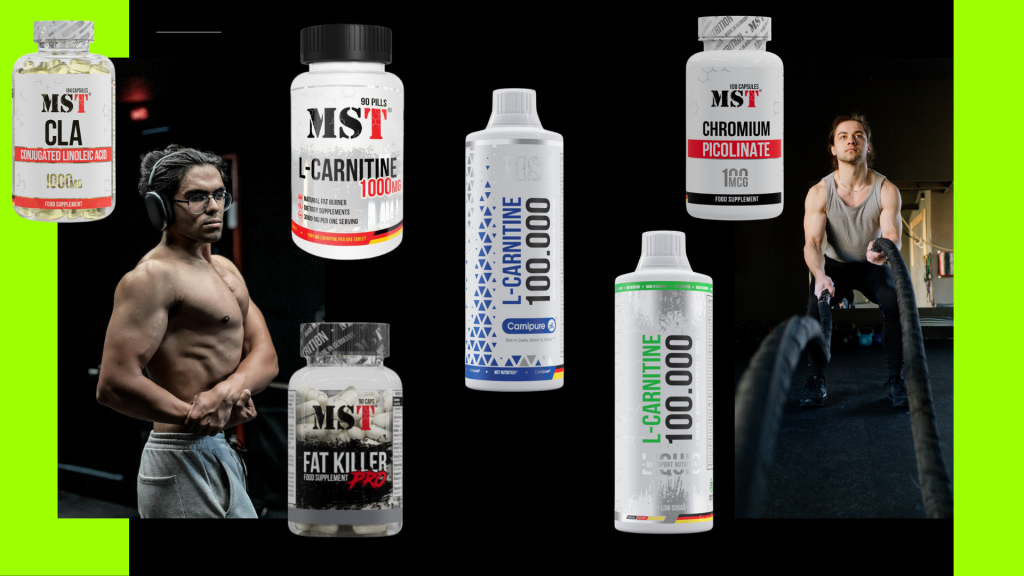
L-carnitine is often touted as a mandatory fat-loss supplement. In reality, it cannot replace a caloric deficit or magically optimize cardio sessions. Its physiological role involves transporting fatty acids into cellular mitochondria for energy production, but visible outcomes remain dependent on your diet, exercise volume, and individual metabolic response.
L-carnitine can serve as a logical addition to regular cardio, an active lifestyle, and a controlled nutrition plan. Liquid formats are convenient before workouts, while capsule forms suit those prioritizing exact portion control. View it as a supportive tool rather than the centerpiece of your cutting phase.
Fat Burners for Appetite Control and Energy
A high-quality fat-burning complex does not “melt” fat on its own. Its primary practical value lies in supporting thermogenesis, cognitive focus, daily energy, and, in specific formulas, appetite regulation. This support can be especially beneficial during the final weeks of a diet when willpower is tested and routine workouts feel more demanding.
Select formulas with transparent ingredient labels and clearly defined dosages. Avoid combining a fat burner with high-dose pre-workouts, energy drinks, and multiple cups of coffee simultaneously. Excessive stimulant intake does not accelerate fat loss, but it can severely disrupt sleep quality—and poor sleep increases hunger while impairing physical recovery.
For athletes sensitive to caffeine, a stimulant-free complex or a foundational stack consisting of protein, creatine, and omega-3s is a far better alternative. A sustainable eight-week plan consistently outperforms an aggressive protocol that falls apart after five days.
Omega-3s for Recovery and Health During a Diet
Cutting places stress not only on your muscles, but on your entire organism. As food intake becomes more restricted, ensuring an adequate supply of essential fatty acids becomes critical. Omega-3s support cardiovascular function, joint integrity, and systemic recovery from strenuous exercise.
While this supplement does not directly speed up fat loss, it preserves the baseline health needed to sustain consistent training. Always verify the active yield of EPA and DHA per serving rather than relying solely on total fish oil weight on the package.
Electrolytes and Amino Acids for High-Intensity Sessions
Sweat-heavy workouts, cardio, and calorie restrictions can compromise hydration levels. Electrolytes are beneficial during long or high-intensity training sessions, especially in warm weather. They do not cause fluid retention; instead, they maintain proper fluid-electrolyte balance, supporting muscle function, physical stamina, and overall workout quality.
EAAs can be advantageous if you train fasted, have long intervals between meals, or struggle to meet daily dietary protein targets. If your protein requirements are already met through protein powders, meat, fish, eggs, or other whole foods, standalone amino acids are not a top priority. BCAAs have an even narrower application, primarily serving where complete amino acids and dietary protein are lacking.
Building Your Supplement Stack Without Unnecessary Expense
There is no need to purchase everything at once. Begin with the fundamentals: protein to fulfill your daily target, creatine to maintain strength output, and omega-3s for daily health support. If workout energy drops, consider caffeine or a pre-workout complex. Advanced options like a fat burner or L-carnitine should only be introduced once your nutrition, sleep, and exercise regimen are fully dialed in.
In the MST Nutrition lineup, select products based on your functional goal rather than marketing appeal: muscle preservation, pre-workout energy, dietary adherence, or post-workout recovery. German manufacturing standards, transparent formulas, and high quality offer valuable reliability during a cutting phase, when every serving needs to contribute to your final outcome.
Key Mistakes to Avoid During a Cutting Phase
Avoid dropping your calories to extreme levels in an attempt to rush results. Do not abandon heavy strength training in favor of endless cardio. Do not gauge progress solely by scale weight, as fluctuations in water, sodium, and muscle glycogen alter the numbers daily. Finally, avoid buying any supplement unless you clearly understand the specific job it performs in your routine.
If you have underlying health conditions, take prescription medications, or are pregnant or nursing, consult a healthcare provider before starting any sports supplements. Adhere to recommended portion sizes and use supplements to complement, not replace, balanced whole-food nutrition.
The ideal time to structure your supplement strategy is not when motivation is waning, but when you are building a structured plan. Include only those tools that genuinely help you train harder, recover better, and step-by-step achieve the physique you are striving for.