 +38 050 933 51 60
 +38 093 369 29 10
When the final reps of a demanding heavy set dictate whether you make actual strength progress, creatine operates not as a “magic potion,” but as a clinically validated compound for muscular energy production. This complete guide to creatine clarifies who genuinely benefits from supplementation, how to take it without unnecessary protocols, and why raw material quality directly influences performance outcomes.
What Is Creatine and How Does It Work?
Creatine is an endogenous nitrogenous organic acid synthesized from amino acids and naturally obtained through dietary intake of meat and fish. The vast majority of intramuscular stores are concentrated within skeletal muscle tissue, where creatine facilitates the rapid resynthesis of adenosine triphosphate (ATP)—the primary cellular energy currency for high-intensity, short-duration anaerobic efforts.
Consequently, performance benefits are most pronounced during resistance training, sprint protocols, CrossFit, combat sports, and explosive team sports. When your objective is pushing heavier working loads, completing additional high-quality repetitions, or sustaining power output across multiple rounds, maintaining fully saturated intramuscular creatine stores provides a distinct performance advantage.
Creatine does not replace athletic discipline. It cannot build muscle tissue without progressive resistance overload, adequate dietary protein intake, sufficient caloric intake, and proper sleep hygiene. However, it significantly elevates training capacity—which directly yields increased strength, hypertrophy, and athletic adaptation over time.
Measurable Results and Athletic Benefits
Creatine monohydrate remains the most thoroughly researched form available. Daily supplementation reliably increases maximal strength metrics, peak power output, and total training volume capacity. For bodybuilders, this manifests as additional repetitions during heavy squats or bench presses. For combat athletes, it supports sustained power during explosive bursts. For beginners, it accelerates measurable adaptation within a structured training framework.
Initial body weight fluctuations are typically driven by intracellular water retention within skeletal muscle cells. This is distinct from subcutaneous fluid retention or adipose gain; muscle tissue appears fuller while total scale weight may increase by 1–2 kg over the initial weeks. Long-term lean mass accretion remains dependent upon total caloric balance, program design, and consistent training volume.
Creatine supplementation also accelerates inter-set recovery during high-intensity protocols. However, it should not be expected to completely eliminate delayed-onset muscle soreness (DOMS) or compensate for chronic sleep deficits. It reinforces foundational training habits rather than replacing them.
Complete Creatine Guide: Ideal Candidates for Supplementation
Creatine is most effective for individuals engaged in regular resistance training, sprinting, or high-intensity interval training (HIIT). It is widely utilized by bodybuilders, powerlifters, functional fitness athletes, track sprinters, field-sport athletes, combat competitors, and gym-goers seeking natural performance optimization.
Vegetarians and vegans frequently experience pronounced performance benefits due to lower baseline dietary creatine intake. It is equally valuable for athletes returning from a training hiatus, assisting in a faster return to baseline working weights when paired with progressive overload.
For individuals focused exclusively on steady-state endurance running or weight loss without resistance training, creatine supplementation is generally a lower priority. While it remains useful for preserving power during caloric deficits, performance gains depend directly on workout design. Athletes managing strict weight-class limits should account for initial intracellular fluid retention.
Selecting the Optimal Chemical Form
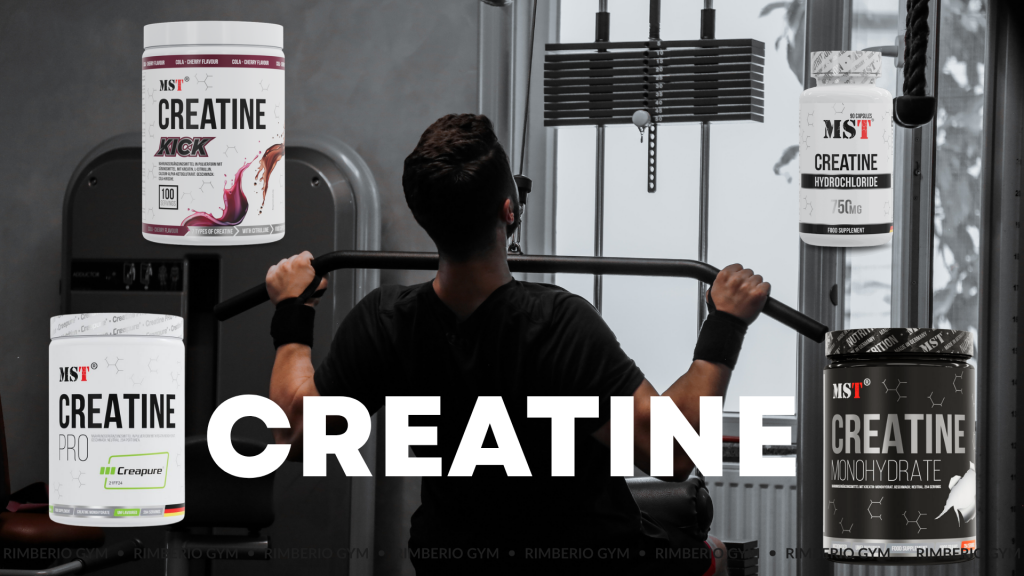
The market offers monohydrate, hydrochloride (HCl), buffered, liquid, and multi-component creatine blends. While choosing may seem complex, the evidence-based recommendation remains clear: creatine monohydrate possesses the most robust scientific backing, predictable bio-availability, and cost-effective value per serving.
Micronized monohydrate features reduced particle size to enhance liquid solubility, preventing gritty residue at the bottom of your shaker cup. Alternative forms like HCl serve as useful options for individuals with delicate digestion or those who prefer capsule delivery. However, marketing claims asserting vastly superior performance outcomes over premium-grade monohydrate lack definitive scientific proof.
Select products with fully transparent labels free from proprietary matrices, excessive artificial flavorings, or unproven filler ingredients. Quality sports nutrition relies on rigorous raw material standards, accurate dosing, and straightforward labeling.
Dosing Protocol: Simple, Consistent Daily Intake
The standard evidence-based daily dosing strategy is 3–5 grams of creatine monohydrate consumed daily. This daily dose steadily saturates intramuscular phosphocreatine stores over time. Exact consumption timing is non-critical: combine your serving with breakfast, post-workout protein, or any convenient daily meal. Daily consistency is far more important than timing windows.
An optional loading protocol involves taking approximately 20 grams per day (divided into 4 five-gram servings) for 5–7 days, followed by a maintenance dose of 3–5 grams daily. While loading achieves full muscle cell saturation faster, it is not required. A constant 3–5 gram daily dosage achieves identical intramuscular saturation within 3 to 4 weeks, often with lower risk of mild GI discomfort.
There is no scientific need to cycle creatine, implement periodic breaks every two months, or increase dosage if progress plateaus. Stalled performance is typically driven by programming variables, exercise technique, energy availability, or sleep quality rather than habituation to the supplement.
Stacking Creatine with Other Supplements
Creatine stacks effectively alongside whey protein, amino acids, electrolytes, and pre-workout formulas. If your pre-workout already supplies 3–5 g of creatine per serving, additional standalone supplementation is unnecessary. Always check labels to avoid redundant ingredient dosing.
Creatine and caffeine can be consumed on the same day without issues. In individuals with sensitive digestion, consuming high caffeine doses alongside creatine may occasionally cause minor stomach distress; separating intake times easily resolves this. Maintaining optimal daily hydration supports gastric comfort and overall workout output.
Safety Profile and Common Myths
In healthy adults, creatine monohydrate at recommended dosages ranks among the safest and most extensively researched sports supplements available. It is not an anabolic steroid, does not alter baseline hormone profiles, and requires no post-cycle therapy.
The persistent myth that creatine causes renal dysfunction stems from confusion regarding serum creatinine markers in routine blood panels. Because creatinine is a natural metabolic byproduct of creatine breakdown, serum levels may rise slightly without indicating renal damage or impaired kidney function. However, individuals with pre-existing renal conditions, pregnant women, or nursing mothers should consult a medical professional prior to supplementation.
Similarly, clinical data does not support claims that creatine causes involuntary muscle cramping or dehydration in healthy, adequately hydrated athletes. If mild abdominal bloating occurs, reduce individual serving sizes to 3 grams, skip the loading phase, or consume your serving alongside a main meal.
Maximizing Long-Term Performance Gains
Creatine delivers performance benefits through consistent physical work. Maintain a detailed training log tracking working weights, total volume, subjective exertion, and body mass to measure actual progress over time.
For muscle hypertrophy, pair supplementation with a slight caloric surplus and adequate dietary protein. During cutting phases, maintain heavy resistance training; creatine helps sustain power output and lean muscle retention during caloric deficits. Long-term progress relies on foundational training principles: structured programming, precise technique, comprehensive recovery, and evidence-based sports nutrition.
Approach creatine as a functional tool designed for clear training objectives. Premium monohydrate, consistent daily dosing, and structured resistance training deliver reliable, long-term athletic results.