 +38 050 933 51 60
 +38 093 369 29 10
After a heavy squat session, an intense WOD, or a tough sparring match, the outcome isn’t determined solely by how hard you pushed during the session. It’s defined by whether your body gets the necessary resources to repair muscle, replenish energy, and adapt to the workload. Supplements for post-workout recovery don’t replace sleep and wholesome food, but they help precisely target your body’s needs when a fast-paced life leaves no room for guesswork.
For an athlete, recovery isn’t a passive pause. It is an active phase of your training program where strength, volume, endurance, and readiness for the next workout are forged without compromising quality. Properly chosen support allows you to spend less time fighting fatigue and more time achieving consistent progress.
What Actually Recovers After Exercise
Training creates controlled stress. Micro-tears occur in muscle fibers, glycogen stores are depleted, and fluid along with electrolytes are lost through sweat. Add the strain on your joints, ligaments, and central nervous system, and it becomes clear why a single “recovery” tub can’t be a one-size-fits-all solution for everyone.
After strength training, priority usually goes to protein, total caloric intake, and creatine. After running, cycling, or functional training, key priorities shift toward carbohydrates, sodium, potassium, and magnesium. If joint comfort is a concern or you regularly engage in high-impact activities, assessing your need for collagen and connective tissue nutrients makes practical sense.
The core rule is simple: a supplement should match your specific deficit, sport, training volume, and diet—not a passing trend. Champions recommend discipline, high-quality products, and a systematic approach rather than “magic formulas.”
Protein: The Foundation of Muscle Recovery
Protein is the primary supplement to consider if you don’t meet your daily target through whole food alone. Its purpose isn’t to replace dinner, but to conveniently supply your body with amino acids for repairing and building muscle tissue. For most regularly active individuals, a solid guideline is roughly 1.6–2.2 g of protein per kilogram of body weight per day. The exact requirement varies based on your goals, calorie deficit, training experience, and intensity.
Whey protein is an excellent post-gym choice: it absorbs quickly, offers a full essential amino acid profile, and works great on busy days. Casein can be appropriate in the evening or during long gaps between meals. Plant-based blends serve as a strong option for those avoiding dairy, provided you choose formulas with a complete amino acid profile.
You don’t need to treat intake timing as a rigid, minute-by-minute ritual. Hitting your total daily protein goal is what matters most. However, a post-workout shake is a practical way to ensure you don’t miss your target, especially if your next meal is hours away.
EAAs and BCAAs: When Do They Make Sense?
Essential Amino Acids (EAAs) can support recovery when a complete protein meal isn’t accessible: during extended workouts, early morning fasted sessions, or while traveling. They are also useful during strict calorie deficits when you need to manage caloric intake without losing focus on muscle preservation.
BCAAs contain only three amino acids, including leucine. While not a bad product, if you already consume sufficient high-quality protein or EAAs, the additional benefit of BCAAs is often minimal. If deciding between your first tub of BCAAs or protein, protein remains the superior foundational choice for most athletes.
Creatine: Recovery Through Consistent Performance
Creatine monohydrate doesn’t act as a painkiller for muscle soreness. Its real value lies in rapidly replenishing energy stores for short, high-intensity efforts. As a result, you can maintain rep quality, working weights, and explosive power session after session.
The best strategy is to take 3–5 g of creatine daily rather than only on workout days. Exact timing is not critical—consistency is key. Creatine is especially beneficial in bodybuilding, powerlifting, CrossFit, combat sports, and team sports where performance relies on repeated explosive efforts.
Be sure to drink enough water and avoid confusing intracellular water retention with unwanted bloating. For healthy individuals, creatine monohydrate is one of the most thoroughly researched sports supplements available. If you have pre-existing kidney conditions or other medical concerns, consult a physician first.
Electrolytes and Carbs: Restoring Pace After Sweating
If you train in hot weather, sweat heavily, complete long cardio sessions, or train twice a day, plain water may not be enough. Along with sweat, your body primarily loses sodium, as well as potassium and magnesium. This directly impacts hydration, neuromuscular function, endurance, and overall post-workout recovery.
An electrolyte drink is ideal before, during, or immediately after extended sessions. For short sessions in a climate-controlled gym, it may not be strictly necessary if your overall diet and water intake are adequate. Don’t pick a product based solely on fancy packaging; pay attention to sodium levels rather than just flavor.
Post-workout carbohydrates speed up glycogen replenishment after high-volume training. This is vital for runners, cyclists, soccer players, fighters in intense training camps, and anyone needing quick turnaround recovery before their next session. If you train once a day and consume sufficient grains, fruits, potatoes, or rice, a specialized carbohydrate supplement may be optional.
Magnesium, Omega-3, and Vitamins: Systemic Support over Quick Fixes
Magnesium plays a vital role in muscle function and nervous system health, while a deficiency can manifest as fatigue, muscle cramps, or poor sleep quality. However, magnesium isn’t an instant cure for muscle soreness. It offers the greatest benefit to those who genuinely lack it in their diet or lose significant amounts through sweat.
Omega-3 fatty acids are a long-term wellness tool rather than an emergency fix after a single hard session. Quality fatty acids support overall health, help manage inflammation, and aid joint care. They are particularly worth considering for individuals who rarely consume fatty cold-water fish.
Vitamin D, zinc, B-complex vitamins, and other micronutrients deliver value when addressing actual deficiencies. Taking megadoses without blood tests or specific needs won’t accelerate progress. Superior formula quality is important, but sensible dosing matters just as much.
Collagen for Ligaments and Joints
Muscles often get all the attention, even though tendons, ligaments, and joint cartilage determine whether you can train consistently for months on end. Collagen peptides can be a helpful addition for athletes managing heavy running volume, heavy lifting, high-impact jumps, or connective tissue discomfort.
Collagen doesn’t replace proper physical therapy, movement mechanics, or smart workload management. However, combined with adequate total protein, dietary vitamin C, and a structured training plan, it can form an essential part of protecting your physical longevity. Look for high-grade raw ingredients, transparent labeling, and daily consistency.
Building Your Routine Without Unnecessary Expenses
Start with the basics. Solidify your sleep, daily calorie targets, protein, hydration, and training load distribution. Once the foundation is set, add 1 or 2 supplements that address your most obvious gap. For an athlete building muscle, protein and creatine are standard starting points. For endurance athletes, electrolytes and accessible carbs take priority. For those under high joint stress, collagen support can supplement a balanced diet.
Avoid buying everything at once. Keep track of simple indicators: sleep quality, how you feel during your next session, working weights, heart rate, appetite, and joint comfort. This approach will reveal what genuinely works for your body rather than relying on someone else’s social media routine.
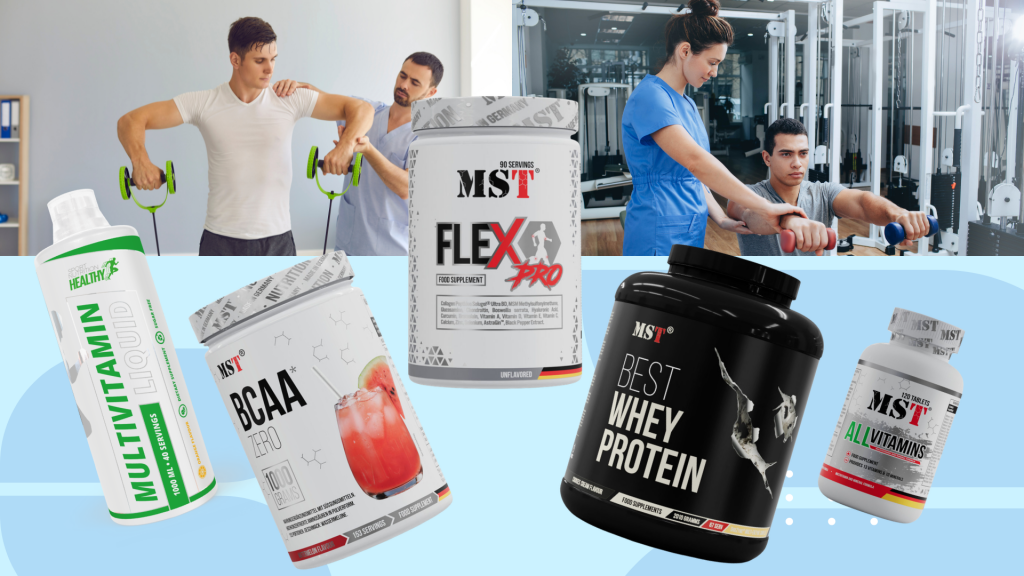
MST® Nutrition simplifies your selection with sports formulas crafted to rigorous German quality standards: from protein and creatine to amino acids, omega-3s, and collagen. Choose products tailored to your specific goals, follow recommended dosages, and give your system time to show real results.
Your next great workout doesn’t start with your warm-up. It starts with how well you recovered from your last one.