 +38 050 933 51 60
 +38 093 369 29 10
A great workout doesn’t begin with your first working set; it starts with what you do 30 to 120 minutes beforehand. The search for “what to take before a workout” often makes it sound as though there is a single universal formula. In reality, it depends on your training time, specific goals, caffeine tolerance, daily diet, and the ingredients of your supplement of choice.
Pre-workout nutrition doesn’t replace sleep, proper hydration, or a solid diet. However, it can offer a distinct performance edge: enhanced focus during heavy sets, more reliable endurance, superior muscle pumps, and a lower risk of burning out halfway through your session. The main rule of a professional approach is to avoid taking everything at once, selecting only what directly supports your objectives.
How to Take Pre-Workout Supplements Correctly
First, define what you need out of your session. For heavy strength training, key elements include focus, power output, and total workload capacity. For running, CrossFit, or combat sports, maintaining energy levels, hydration, and stamina take priority. If your workout takes place early in the morning or after a long workday, easily digestible carbohydrates and performance-enhancing ingredients become particularly valuable.
Avoid evaluating a supplement’s effectiveness solely by a tingling sensation or a sudden rush of energy. A well-designed pre-workout routine enables you to complete your planned workload with proper technique—without hand tremors, nausea, heart palpitations, or nighttime insomnia. Champions recommend discipline in the details: precise dosages, adequate water intake, and consistency where it counts most.
Pre-Workout Meals: The Foundation, Not an Afterthought
For most people, a balanced meal containing carbohydrates and protein 1.5 to 2 hours before training works best. Examples include rice or oatmeal paired with lean meat, eggs, or low-fat dairy. Carbohydrates supply the necessary fuel for high-intensity work, while protein helps meet your daily amino acid requirements.
It is wise to limit dietary fats and heavy fiber right before exercise. While beneficial in a daily diet, they slow down digestion. If you are squatting, deadlifting, or doing intensive cardio, a full stomach is a clear disadvantage.
When you have only 30 to 60 minutes before hitting the gym, opt for a light snack: a banana, rice cakes, a small serving of a carbohydrate drink, or whey protein. Portion sizes should reflect your body mass and previous meals. Those training in a calorie deficit don’t need to eliminate carbs before training completely; a modest amount often preserves performance and lean muscle tissue.
Caffeine and Pre-Workout Complexes
Caffeine is one of the most thoroughly researched ergogenic aids available. It is typically consumed 30 to 60 minutes prior to exercise. A moderate dose for many athletes is 1 to 3 mg per kilogram of body weight, though it is best to start at the lower end—especially if you rarely drink coffee or are sensitive to stimulants.
A multi-ingredient pre-workout complex offers the convenience of combining caffeine, citrulline, beta-alanine, tyrosine, and other focus-enhancing compounds in one serving. However, avoid stacking pre-workouts with energy drinks, multiple cups of coffee, or stimulant-based fat burners. Stacking stimulants—rather than the pre-workout itself—is the main culprit behind rapid heart rates, anxiety, and sleep disruption.
Training in the evening? Stimulants may do more harm than good to your sleep quality. In such cases, choose a stimulant-free formula or focus on hydration, electrolytes, citrulline, and fast-acting carbs. If you have high blood pressure, irregular heart rhythms, anxiety conditions, or take prescription medications, consult a doctor before using caffeine or complex pre-workout formulas.
Citrulline, Beta-Alanine, and Muscle Pumps
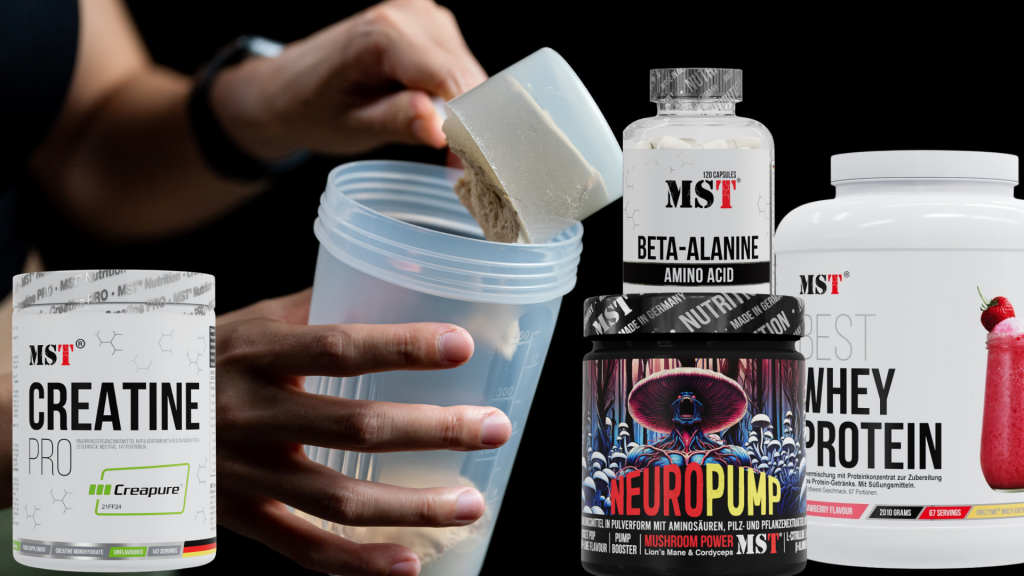
Citrulline malate is frequently taken 30 to 60 minutes before workouts. It is favored by athletes aiming for maximum hyperemia (muscle fullness), volume capacity, and muscular endurance during high-rep sets. A common benchmark for many formulas is 6 to 8 g of citrulline malate, but always check the product label, as the ratio of citrulline to malic acid varies by brand.
Beta-alanine does not act as an immediate boost. Because its benefits stem from muscular carnosine saturation over time, taking it daily matters more than taking it exclusively on workout days. Typical daily intakes range from 3.2 to 6.4 g, often split into smaller doses for comfort. A harmless, temporary skin-tingling sensation (paresthesia) is common, but it is not a metric of product quality or potency.
Muscle pumps do not automatically equal muscle growth, but they can enhance mind-muscle connection and boost motivation. Long-term results remain driven by systemic factors: progressive overload, adequate daily protein, sufficient recovery, and sticking to your training program over time.
Creatine and Amino Acids: Optimal Timing
Creatine can be taken before or after workouts, or at any convenient time during the day. Its effectiveness relies on daily muscle cell saturation rather than precise timing on the clock. A standard daily maintenance dose is 3 to 5 g. Take creatine consistently with water and maintain your routine on rest days.
Essential Amino Acids (EAAs) are beneficial before or during exercise when training fasted, when long gaps exist between meals, or during extended training sessions. If you had a complete protein-rich meal 1 to 2 hours before your workout, supplementing with standalone BCAAs provides minimal added value. EAAs offer a full amino acid profile, making them a more logical option for supporting muscle protein synthesis without consuming heavy food.
Drinking a whey protein shake before exercise is a practical solution when short on time. Consuming 20 to 30 g about 45 to 90 minutes before your workout helps meet your protein targets without weighing you down. For overall muscle hypertrophy, hitting your total daily protein goal consistently is far more important than timing your shake to the minute.
Hydration, Electrolytes, and Heat
No supplement formula can offset dehydration. Drink roughly 400 to 600 ml of water 1 to 2 hours before your workout, then adjust your intake according to thirst, gym temperature, and session intensity. During prolonged training, high heat, or excessive sweating, electrolyte supplementation—particularly sodium—becomes essential.
Avoid drinking a full liter of water five minutes before warming up. It won’t hydrate you instantly and will likely cause stomach discomfort during movement. Maintain steady hydration throughout the day—a simple habit that directly influences power, endurance, and overall recovery.
Customizing Your Routine for Any Scenario
If you consumed a balanced meal 1.5 to 2 hours before exercise, plain water—combined with optional caffeine or a pre-workout complex 30 to 45 minutes prior, plus creatine at any time of day—is sufficient. If you train early in the morning and struggle with solid food, try a small serving of whey protein with a banana or another easily digestible carbohydrate source, then monitor how you feel during your sets.
For evening sessions, protect your nervous system: eat beforehand, stay hydrated, opt for stimulant-free pre-workout formulas if needed, and monitor caffeine intake throughout the afternoon. For long cardio sessions or endurance workouts, prioritize carbohydrates and electrolytes over heavy stimulants.
Select MST® Nutrition products based on transparent ingredient labels and your specific athletic goals rather than flashy packaging. Quality begins with clear dosing: you should always know the exact amounts of caffeine, citrulline, or creatine in every serving.
Start with a streamlined pre-workout routine, keep brief notes on your sleep quality, heart rate, energy levels, and training performance. The best pre-workout routine is one that consistently supports progress in your weights, reps, speed, or endurance—without relying on temporary spikes in energy.