 +38 050 933 51 60
 +38 093 369 29 10
After a tough workout, muscles don’t grow simply because you drank a shake. They grow when they regularly receive enough protein, recovery energy, and proper training stimulus. That’s why the question of when to drink protein shouldn’t be treated as a search for a single magical minute, but rather as part of a well-defined nutrition and training plan designed for the results you are working toward.
For muscle building, cutting, strength maintenance, or rapid recovery, protein is a convenient tool. It helps you hit your daily protein requirements without unnecessary kitchen complexity. However, timing still matters—especially when your schedule is packed, your workouts are intense, and every meal impacts your physique and well-being.
The Golden Rule: Daily Protein Intake Comes First
The best timing for a shake won’t compensate for a daily protein deficit. If someone trains hard but consumes insufficient amino acids from whole foods and supplements, even a perfectly timed post-workout shake won’t yield maximum results.
For most physically active individuals, a solid guideline is roughly 1.4–2.0 g of protein per kilogram of body weight daily. Those working on body recomposition in a caloric deficit, or individuals handling heavy training volumes, may occasionally benefit from an intake closer to the higher end of that range. The exact figure depends on your body weight, training experience, sport discipline, dietary preferences, goals, and training intensity.
It’s important not to cram your entire daily intake into a single sitting. Distributing your protein across 3 to 5 meals is far more practical. For many athletes, a comfortable serving size ranges from 20 to 40 g of high-quality protein at a time. This ensures your body receives a steady supply of amino acids for recovery without turning your nutrition into a complex math problem.
When to Drink Protein After a Workout
Following a strength workout, a protein shake is genuinely beneficial. It supplies the body with the building blocks needed to repair stressed muscle fibers. This is especially convenient when a full meal is hours away—whether you’re commuting from the gym, rushing to work, or training late in the evening.
There is no need to stress over a mythical 30-minute anabolic window. If you consumed a protein-rich meal 1 to 3 hours prior to training, a pool of amino acids is already circulating in your system. In that case, you can calmly enjoy your shake or meal within the next couple of hours. Your overall results will be driven by consistency, not a stopwatch.
A different scenario involves early morning fasted training or a prolonged session where immediate post-workout feeding isn’t possible. In these instances, a serving of whey protein immediately after exercise is a highly practical solution. If needed, pair it with a source of carbohydrates like a banana, oatmeal, or a whole-food meal to help restore glycogen levels—especially after heavy leg days, functional conditioning, CrossFit, or long martial arts sessions.
Why Whey Protein Is Frequently Chosen Post-Workout
Whey protein absorbs rapidly, features a complete amino acid profile, and contains high levels of leucine—the key amino acid that triggers muscle protein synthesis. These characteristics make it a classic choice for the post-training window.
If dairy products cause digestive distress, consider a low-lactose protein isolate or plant-based blends. When choosing a plant protein, ensure adequate serving sizes and complementary protein sources (such as pea and rice protein combined) to secure a robust amino acid profile.
Pre-Workout Protein: When Is It Justified?
A pre-workout shake isn’t mandatory for everyone. If you ate a meal containing meat, fish, eggs, cottage cheese, or another protein source 1.5 to 2 hours before your session, an extra shake isn’t strictly necessary—though it can help boost your total daily protein if you are falling short.
Consuming protein before training is useful when you train very early and cannot tolerate a heavy breakfast. A light serving 30 to 60 minutes before start time avoids heavy stomach discomfort while preventing you from exercising in a completely fasted state. This approach works well for cardio, weightlifting, running, and early morning technical practice.
Avoid experimenting with new flavors, large volumes, or heavy, fat-laden shakes right before a strenuous workout. Digestive comfort directly impacts your performance and set quality just as much as your training program. If a shake causes sluggishness, shift it to the post-workout window or reduce the serving size.
Should You Drink Protein Between Meals?
Yes, and for many, this is the most convenient strategy. A protein shake between breakfast, lunch, and dinner helps you hit your daily protein targets without constant cooking. It’s particularly valuable for office workers, students, drivers, coaches, and anyone unable to carry meal-prep containers everywhere.
During a mass-building phase, you can boost a shake’s calorie density by adding oats, berries, peanut butter, or yogurt, provided it aligns with your nutrition targets. During a cutting phase, mix the powder with water or pair it with a calorie-controlled snack. Protein provides strong satiety, making it easier to maintain a caloric deficit and resist impulse snacking on sweets.
Protein powder should never replace all whole foods. Meat, fish, eggs, legumes, dairy, and other whole-food protein sources supply essential amino acids alongside vital micronutrients. Shakes function best as a precise, convenient supplement to a strong baseline diet.
Protein Before Bed: Beneficial or Extra Calories?
Consuming protein in the evening does not hinder fat burning. Your total daily caloric balance, total protein intake, and training consistency remain the deciding factors. As long as your evening serving fits your macros, you can drink it right before sleep.
Casein or slower-digesting protein sources like cottage cheese are popular nighttime choices. This option is helpful when there is a long gap between dinner and breakfast, and your goal is muscle hypertrophy or muscle preservation during a caloric deficit.
However, there is no need to purchase a specialized nighttime product if whey protein already helps you hit your daily targets. Choose a format that digests comfortably, tastes great, and respects your budget.
Your Routine Doesn’t Stop on Rest Days
Muscles repair and grow on rest days just as much as they do in the gym, which is why protein intake remains essential daily. On non-training days, you can take protein at breakfast, between meals, or in the evening—whenever it helps you fulfill your daily quota.
There’s no need to artificially time your shake to the hour you usually train. On rest days, review your meal plan: did you have protein at breakfast? Is it scheduled for lunch and dinner? Is there a risk of missing a meal? Your answers will guide whether a shake is necessary.
Choosing the Right Protein for Your Goal
Whey concentrate is a versatile option for mass building, recovery, and daily use. An isolate suits those seeking lower carbs and fats per serving or individuals with lactose sensitivity. Casein is convenient for evening snacks, while plant proteins serve vegans, dairy-free individuals, or anyone looking to diversify their diet.
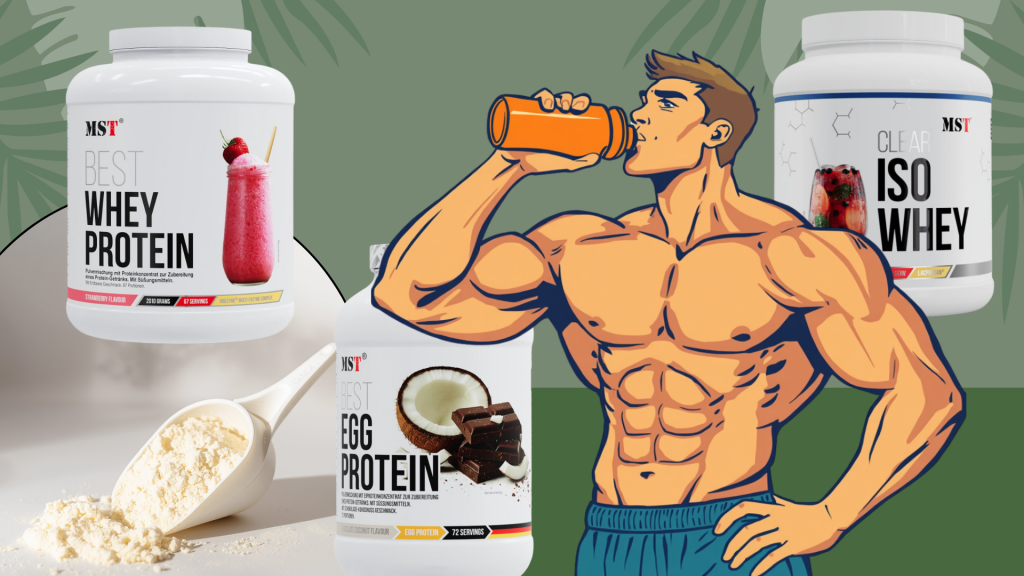
Look beyond flashy marketing labels. Check the protein content per serving, ingredient purity, sugar content, digestive tolerance, and brand reputation. Uncompromising raw material quality and formula control matter when a supplement becomes part of your daily routine. The MST® Nutrition product line offers tailored protein formats for every goal—ranging from rapid post-workout recovery to controlled macro-friendly snacking during a cut.
Common Mistakes That Undermine Results
The most frequent mistake is drinking protein exclusively post-workout while neglecting protein intake during the rest of the day. The second is expecting powder to build muscle without progressive overload, adequate sleep, and sufficient calories. The third is ignoring digestive feedback: if a product causes discomfort, replace it rather than pushing through.
Individuals with diagnosed kidney disease, liver conditions, metabolic disorders, or specific medical restrictions should consult a physician regarding their protein intake. For healthy, active individuals, consuming protein within a reasonable daily limit is a convenient way to support dietary goals, but it does not replace sleep, hydration, vegetables, and consistent hard work.
Place your shaker bottle somewhere you’re guaranteed to see it: in your gym bag, on your desk, or next to your breakfast items. When protein stops being a random post-gym ritual and becomes a thoughtful part of your lifestyle, your body receives the exact support you sweat for every day.