 +38 050 933 51 60
 +38 093 369 29 10
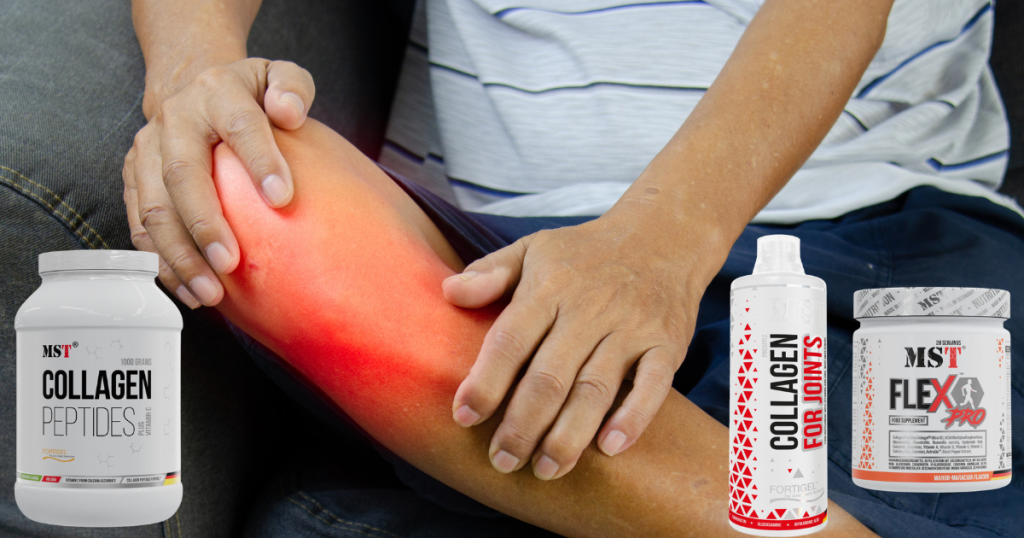
Knee pain after squats, elbow discomfort after bench presses, morning stiffness in shoulders – these are not trivial things to ignore. If you are already looking for where to buy collagen for joints, it means your body has given a signal: the musculoskeletal system needs support, and recovery can no longer be put off for later.
For an athlete, an active person, or anyone who simply wants to move without limitations, joints are the foundation of results. Without stable ligaments, elastic cartilage, and proper recovery, there is neither progress in the gym nor comfort in everyday life. That is why collagen has long moved beyond the “beauty supplement” category and become an essential part of comprehensive joint support.
Who really needs to buy collagen for joints
Most often, collagen for joints is chosen by those who regularly put strain on their body. This includes strength training, running, crossfit, martial arts, football, tennis, and functional fitness. With such loads, joints and ligaments work to their limit, and micro-damages accumulate even when you do not feel acute pain.
But athletic strain is not the only reason. Collagen is often needed by people over 30, when the natural synthesis of one’s own collagen gradually declines. Add a sedentary job, an old injury, excess weight, or a lack of recovery, and the body begins to react with stiffness, clicking, and discomfort after activity. In such cases, proper support can make a noticeable difference.
At the same time, you should not expect an instant effect. Collagen is not a painkiller. Its strength lies not in masking symptoms, but in the systemic support of tissues that take on high-impact loads every day.
Which collagen for joints to buy for real results
The key question is not just to buy collagen, but to choose a form that matches your goal. For joints, hydrolyzed collagen is most commonly considered because it is better absorbed and convenient for daily intake. It is hydrolyzed collagen peptides that are most frequently included in sports and recovery formulas.
The type of collagen is no less important. To support joints and cartilage tissue, people usually look for type II collagen or comprehensive solutions that combine several types of collagen. If a product is designed specifically for ligaments, joints, and cartilage, this is usually visible by the formula, not just by the big writing on the label.
This is where the difference between a mediocre product and a formula that works begins. A good collagen for joints is rarely limited to a single ingredient. Powerful complexes often contain vitamin C, hyaluronic acid, glucosamine, chondroitin, MSM, or minerals that support connective tissues and participate in recovery. This is not a marketing decoration, but the logic of the formula.
What to look for in the ingredients before buying
First is the dosage. If a product contains a symbolic amount of the active substance, you should not expect a serious effect from it. For regular joint support, not only the presence of collagen is important, but also a working dose per serving.
Second is the form of release. Powder is convenient because it often allows you to get a full dose of collagen in a single serving. Capsules suit those who value mobility and precise dosing, but sometimes you have to take several capsules a day to get a working amount. Liquid forms can be comfortable to use, however, here it is especially important to check the concentration rather than focusing only on flavor or format.
Third is the origin of raw materials and the manufacturer’s reputation. If a brand operates according to strict European standards, controls quality, and clearly specifies the ingredients, this is a strong argument in favor of buying. For an athletic audience, this is particularly important: when you work for results, compromises in quality cost dearly.
Fourth is additional components. If the goal is not just prevention, but recovery after intense workouts or old loads, a complex product often wins over basic mono-collagen. But if you have a sensitive stomach or are already taking other supplements, a simpler formula might be a more practical solution.
When collagen truly meets expectations
The result depends on three things: regularity, the duration of the course, and the overall recovery regimen. If a person takes collagen chaotically, sleeps for five hours, trains without controlling form, and works through pain, even a premium formula will not show its maximum.
Collagen works best where there is a systemic approach. This means adequate loading, weight control, a sufficient level of protein in the diet, recovery, and a stable course of intake. For some, the first changes are felt faster – less stiffness, better comfort during movement, and easier recovery after workouts. For others, the effect comes more slowly. And that is normal.
It is also important to understand the limits of possibilities. If there is a serious injury, pronounced inflammation, or chronic pain, a supplement does not replace diagnostics and working with a specialist. But within the framework of sports prevention and daily support, high-quality collagen often becomes that missing element for more stable well-being.
Buying collagen for joints for sports or for daily protection
The goal matters. If you train intensely, choose formulas designed specifically for loads – with an emphasis on ligaments, cartilage, tendons, and recovery. In this case, not only collagen peptides are important, but also the presence of synergistic components that support tissue mobility and resilience.
If the task is general prevention, support after 30, or comfort in everyday movement, you can choose a softer format with a basic formula and a convenient intake regimen. Here, a product that is easy to take as a course without overloading on extra ingredients wins.
For many users, a smart choice is not the cheapest jar on the shelf, but a product that matches the level of load. Saving on quality often ends with a repeat purchase of another product just a few weeks later. It is better to immediately choose a formula backed by reputation, a clear composition, and real sports logic.
How not to make a mistake when you decide to buy collagen for joints
Focus not on loud promises, but on specifics. If there are many beautiful phrases on the package but little information about the type of collagen, dosage, and supporting components, this is a reason to question the product. Flawless quality begins with transparency.
Also, do not evaluate a supplement solely based on reviews. What worked for a runner will not always be optimal for a weightlifter or someone recovering after a long break from training. Your weight, type of activity, joint condition, load intensity, and even discipline of intake matter.
That is why strong brands build their product line not chaotically, but by goals. This approach simplifies selection and allows you to choose not just “collagen”, but a solution for a specific request – from basic support to more advanced complexes for active sports. In this approach, the philosophy of MST Nutrition Ukraine is clearly felt: champions recommend not accidental products, but formulas that make sense under real loads.
Why collagen quality is more important than loud advertising
When it comes to joints, the price of a mistake is higher than in most other supplement categories. A bad pre-workout complex can simply be replaced. But if you ignore the recovery of connective tissue for years, the problem accumulates and hits form, strength indicators, mobility, and confidence in your own body.
That is why it is better to choose products from manufacturers that prioritize a scientific approach, raw material control, ingredient purity, and clear positioning. Organic ingredients, German manufacturing standards, formulas for real sports tasks – this is not a beautiful background, but the criteria that distinguish a premium product from an accidental purchase.
When joints work stably, you move more boldly, recover faster, and do not slow down your pace because of every uncomfortable signal from the body. Therefore, collagen should be chosen not emotionally, but strategically – as an investment in movement, strength, and the long distance of your results.