 +38 050 933 51 60
 +38 093 369 29 10
A heavy workout doesn’t end when you rack the barbell. It continues at night, through muscle recovery, joint function, controlling inflammatory responses, and preparing the body for the next strain. That is why omega-3 is not just a random supplement on the shelf, but a foundational component of the diet for anyone who wants to train consistently, make progress, and support long-term health.
For an athlete or an active individual, the value of omega-3 isn’t measured by flashy promises. It lies in the quality of the raw ingredients, the actual concentration of active EPA and DHA fatty acids, and consistent intake. Let’s break down how to choose a product without marketing hype and integrate it into your nutrition and recovery routine.
What is Omega-3 and Why Are EPA and DHA Important?
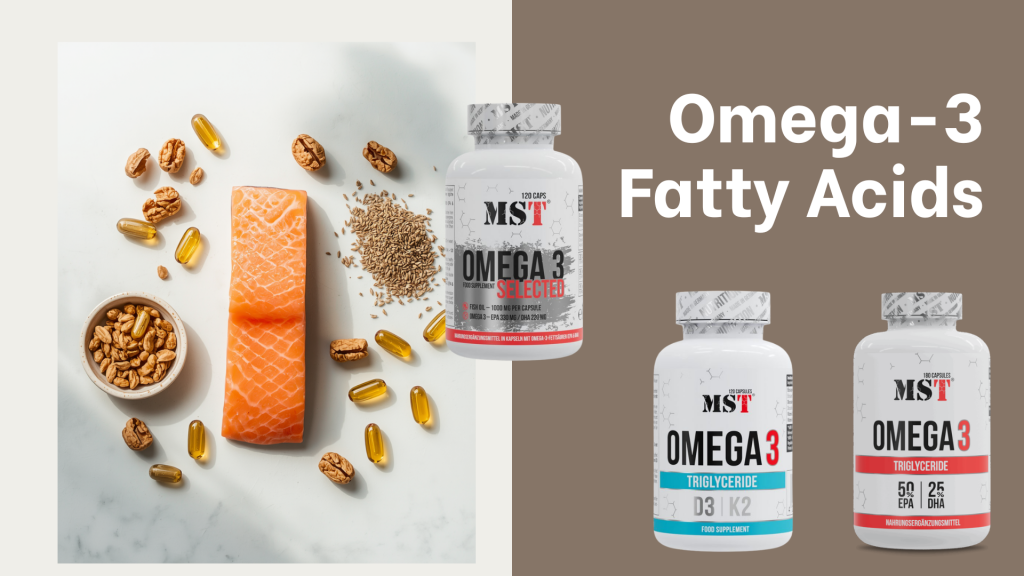
Omega-3s are a group of polyunsaturated fatty acids. The most well-known are ALA, EPA, and DHA. ALA is mainly found in flaxseeds, chia seeds, walnuts, and certain plant oils. EPA and DHA come primarily from fatty marine fish, fish oil, and microalgae oil.
When selecting a supplement, EPA and DHA are the key components. While the body can partially convert plant-based ALA into these forms, the conversion rate is limited. Therefore, someone who rarely eats salmon, herring, sardines, or mackerel often fails to get sufficient EPA and DHA from regular food alone.
EPA is primarily associated with supporting the body’s normal response to exercise and overall cardiovascular health. DHA serves as a crucial structural component of cells, particularly in brain tissue and the retina. In practice, you don’t need to choose between them: a high-quality omega-3 supplement typically provides both acids in balanced proportions.
Omega-3 for Sports: A Foundation, Not a Stimulant
Omega-3 doesn’t offer an instant pre-workout “kick” and doesn’t replace protein, creatine, or proper sleep. Its effects are cumulative: fatty acids integrate into cell membranes and work as part of a long-term strategy for overall health and athletic performance.
This is especially relevant for those who run regularly, lift heavy weights, do CrossFit, practice martial arts, or play team sports. A high training volume places demands not only on the muscles but also on the joints, ligaments, nervous system, and overall recovery quality between sessions. A diet with adequate EPA and DHA can serve as valuable support alongside sufficient caloric intake, protein, carbohydrates, hydration, and micronutrients.
Do not expect softgels to eliminate joint pain, fix your squat technique, or compensate for chronic sleep deprivation. If you experience an injury, swelling, or severe, persistent pain, a consultation with a physician or sports physiotherapist is necessary. Supplements work best when built upon existing discipline: a well-structured training plan, solid nutrition, and adequate rest.
How to Read the Label Correctly
The most common trap is looking solely at a prominent “1000 mg Fish Oil” claim. This does not mean that a single capsule contains 1000 mg of EPA and DHA. A portion of that weight consists of other fats, so you should compare products based on the total sum of active fatty acids.
For example, if a serving contains 1000 mg of fish oil, but only 180 mg of EPA and 120 mg of DHA, the actual active omega-3 content is 300 mg. Another product might contain less total oil by weight but significantly higher amounts of EPA and DHA. The second option is often more concentrated and convenient, requiring fewer capsules per day.
Also, pay attention to the form of the fatty acids. Triglyceride (TG) and re-esterified triglyceride (rTG) forms are often favored for their natural, easily absorbable structure. Ethyl esters (EE) are also used in manufacturing, particularly in highly concentrated formulas. Rather than hunting for a single buzzword on the packaging, evaluate the product holistically: EPA and DHA dosage, ingredient transparency, brand reputation, freshness, and proper storage conditions.
A quality supplement should not have a sharp, rancid odor or taste. Softgels are best stored in a cool, dry place away from heat and direct sunlight. If you experience mild fishy burps after taking them, try consuming the supplement with a larger meal or splitting your daily dose into two. If discomfort persists, consider switching formulas.
What Dosage Should You Choose?
There is no one-size-fits-all number. Requirements depend on how much fatty fish you consume, your body weight, goals, overall diet, and medical advice. For daily maintenance, many people focus on the total combined amount of EPA and DHA rather than the gross weight of the fish oil itself.
If you consume two servings of fatty ocean fish per week, your need for extra softgels may be lower. If fish is mostly absent from your diet, supplementation becomes a practical way to keep your nutritional baseline consistent. Active individuals with high training volumes typically benefit from concentrated formulas to avoid swallowing numerous capsules just to reach a working dose of EPA and DHA.
Higher doses aren’t automatically better. Individuals taking blood thinners or antiplatelet medications, those with blood clotting disorders, people scheduled for surgery, or those who are pregnant or breastfeeding should always clear their dosage with a healthcare provider. This is a case where professional advice takes priority over forum tips.
Fish vs. Supplements: Which is More Effective?
The ideal approach isn’t setting these options against each other. Fatty fish provides not only omega-3s, but also complete protein, vitamin D, selenium, and other essential nutrients. A supplement, on the other hand, helps bridge the gap when fresh fish doesn’t fit your schedule, budget, or taste preferences.
For those on a plant-based diet, microalgae-derived omega-3 serves as a great alternative. It is an excellent source of DHA, and some formulas include EPA as well. Check the label just as carefully: the word “vegan” is less important than the exact amount of active fatty acids per serving.
How to Fit the Supplement Into Your Routine
Take your omega-3 alongside a meal containing healthy fats. This is generally gentler on the stomach and supports optimal absorption of fat-soluble nutrients. The time of day isn’t critical: some find it convenient to take capsules with breakfast, while others prefer lunch or dinner. Consistency over months matters far more than an “ideal hour.”
Omega-3 pairs well with a standard sports nutrition stack: protein to meet daily protein targets, creatine for strength and power, vitamin D when a need is identified, and collagen as part of comprehensive joint and ligament support. Avoid buying everything at once without a clear goal. First, identify the weakest link in your routine: a lack of fish, irregular meals, slow recovery, or the need for a more structured daily foundation.
MST® Nutrition Ukraine focuses on clear goal-based navigation and quality control—a crucial factor for athletes who require predictable ingredients in every single serving rather than random formulations.
Signs of a Good Choice
A reliable omega-3 supplement should transparently declare the amounts of EPA and DHA rather than hiding them behind a generic “fish oil” label. The manufacturer should clearly state the serving size, capsule count, and recommended intake. An added antioxidant, such as vitamin E, is a helpful bonus that protects the oils from oxidation.
Don’t trade quality for attractive packaging or a high milligram count on the front label. Calculate how much EPA and DHA you actually get daily, how long the bottle will last, and whether the routine fits your diet. True quality means controlled ingredients, fresh raw materials, and daily consistency.
Great results in sports are built on repeated, sensible actions. Integrate omega-3 into your diet mindfully, choose your product based on active ingredients, and give the system time to work—your body thrives on steady support rather than quick fixes.