 +38 050 933 51 60
 +38 093 369 29 10
Glutamine: Benefits and Side Effects — A Complete Guide
Glutamine, or L-glutamine, is one of the most discussed amino acids in the world of fitness, medicine, and nutrition. This conditionally essential amino acid plays a critically important role in a multitude of biological processes in the human body. If you want to buy glutamine in Ukraine at a great price, this guide will help you understand its benefits, potential risks, and proper use. Although our body is capable of synthesizing glutamine on its own, in certain conditions such as intense training, stress, or illness, the need for it significantly increases. In such cases, taking glutamine supplements can provide significant benefits. But is it as safe as it is advertised, and does it have any side effects? In this detailed article, we will examine all aspects of glutamine: from its key functions and proven benefits to potential risks and side effects.
What is Glutamine?
Glutamine is the most abundant amino acid in the blood and muscle tissues. It is a “building block” for proteins and plays a key role in maintaining nitrogen balance in the body. The body uses glutamine for many purposes, including the synthesis of other amino acids, nucleotides (components of DNA and RNA), and even glucose in the liver (the process of gluconeogenesis). The primary “consumers” of glutamine are rapidly dividing cells, such as immune system cells and cells of the intestinal lining.
Glutamine Benefits: Scientifically Proven Effects
-
Immune System Support.
Glutamine is the main energy source for lymphocytes and macrophages—key cells of the immune system, as noted by the research of Newsholme et al. in 2003. During intense physical exertion or stress, glutamine levels in the blood can drop sharply, making the body more vulnerable to infections. Numerous studies show that taking glutamine helps maintain normal immune function, especially in athletes who subject their bodies to significant stress. For example, studies on marathon runners conducted by Castell et al. in 1996 showed that glutamine supplementation can reduce the risk of respiratory infections after competition.
-
Muscle Recovery and Growth.
In the world of bodybuilding and strength sports, glutamine has long earned a reputation as an indispensable supplement for recovery. It plays a key role in protein synthesis, preventing the breakdown of muscle fibers (catabolism). During long and intense workouts, glutamine stores in the muscles are depleted, and the body begins to “draw” it from muscle tissue, which can lead to its destruction. Supplemental glutamine helps maintain its levels, speeding up recovery, reducing muscle soreness, and promoting growth. A study published by Legault et al. in 2015 confirms that glutamine can help reduce muscle soreness and speed up recovery after resistance training.
-
Intestinal Health.
The lining of the intestine is one of the most active consumers of glutamine. This amino acid is vital for maintaining the integrity of the intestinal barrier, which protects the body from toxins and harmful bacteria. Glutamine promotes the growth and regeneration of intestinal cells, making it an effective remedy for “leaky gut” syndrome (increased intestinal permeability) and other inflammatory bowel diseases, according to a review by Kim et al. in 2017.
-
Improved Athletic Performance.
Although the direct effect of glutamine on strength or endurance is not always obvious, its indirect influence through accelerated recovery and reduced muscle catabolism is undeniable. When an athlete recovers faster, they can train more frequently and with greater intensity, which ultimately leads to improved performance. Some studies, such as the work of Hiscock et al. in 2020, also show that glutamine can help reduce the accumulation of lactic acid in muscles, which reduces fatigue.
-
Support for the Brain and Nervous System.
Glutamine is a precursor to two of the most important neurotransmitters: the excitatory glutamate and the inhibitory GABA (gamma-aminobutyric acid). Glutamate is essential for normal brain function, learning, and memory. At the same time, GABA helps calm the nervous system, reducing anxiety and improving sleep. The proper balance of these two neurotransmitters is critically important for mental health, as described in a study by Brosnan in 2004.
Dosage and How to Take Glutamine
For general health and immune support, the usually recommended dose is from 5 to 10 grams per day, divided into several servings. For athletes aiming for accelerated recovery and muscle growth, the dosage can range from 10 to 20 grams per day.
- After a Workout: This is the most common and effective method. Taking 5-10 grams of glutamine immediately after a workout helps quickly replenish muscle stores and accelerate recovery.
- In the Morning: Taking it in the morning on an empty stomach can help restore glutamine levels after overnight catabolism and support immunity.
- Before Bed: Taking it before bed can also contribute to recovery and reduce catabolism throughout the night.
Side Effects and Risks: When to Be Cautious
Overall, glutamine is considered a very safe supplement, especially when recommended dosages are followed. Side effects are extremely rare and are usually associated with exceeding the dose.
-
Digestive Problems.
In some people, taking large doses of glutamine (over 30 grams per day) can cause mild gastrointestinal disturbances such as bloating, gas, or diarrhea, according to a study by Candow et al. in 2001. This is because an excess of the amino acid can disrupt the balance in the gut.
-
Interaction with Other Diseases.
People with serious kidney or liver diseases should be extremely cautious with glutamine supplementation. These organs are responsible for the metabolism of amino acids, and their dysfunction can lead to the accumulation of harmful breakdown products in the body, as indicated by Lacey & Wilmore in 1990. Consultation with a doctor is mandatory in this case.
Glutamate Imbalance.
As mentioned, glutamine is a precursor to glutamate. In very rare cases, with a genetic predisposition or serious pathologies, an excess of glutamine can lead to an increase in glutamate levels, which can cause excitability, insomnia, or, in extreme cases, seizures. However, this is not a typical side effect and is usually not relevant to healthy individuals taking the supplement in moderate doses.
Glutamine in Foods
It’s important to remember that glutamine is found in many foods. If you have a balanced diet, you are already getting it in sufficient quantities. Foods rich in glutamine include:
- Beef, chicken, fish.
- Dairy products (cheese, cottage cheese, yogurt).
- Eggs.
- Cabbage, spinach, beans.
- Nuts and seeds.
For most people who do not engage in professional sports and do not experience chronic stress, additional glutamine supplementation is likely not necessary. However, for athletes or people with certain medical conditions, the supplement can be beneficial.
Where to Buy Glutamine?
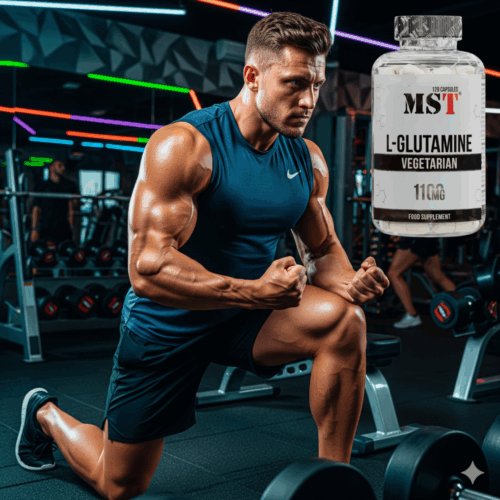
If you are looking for a great deal, you can buy glutamine from specialized online stores. For residents of Ukraine, we recommend checking out the wide range of MST Nutrition products in major cities such as Kyiv, Kharkiv, Odesa, Dnipro, Lviv, Zaporizhzhia, and throughout the country. You can learn more and order glutamine in Ukraine via this link.
If you live in Europe, you can also purchase glutamine from the German MST Nutrition website, which ships to major cities including Berlin, Paris, Rome, Madrid, Warsaw, Prague, and others. For European customers, a separate category for L-glutamine is available on the site.
Conclusion
Glutamine is a powerful amino acid with a wide range of positive effects on the body. Its proven benefits for the immune system, muscle recovery, and intestinal health make it a popular supplement among athletes and people who care about their well-being. When taken at recommended dosages, glutamine is considered safe and well-tolerated. As with any supplement, it’s important to listen to your body and, in case of doubt or chronic illness, consult a qualified doctor or nutritionist. Thus, glutamine is a valuable tool for maintaining health and achieving athletic goals, but its use should be deliberate and well-considered.