 +38 050 933 51 60
 +38 093 369 29 10
An extra 1-2 reps on heavy squats, a more explosive final round in sparring, or sustained strength output late in your workout—these are the exact results athletes seek when taking creatine. However, even a top-tier supplement cannot compensate for an inconsistent routine. Let’s break down how to take creatine properly to maximize strength, muscle growth, and athletic recovery without unnecessary complexity.
What Creatine Does and Who Needs It
Creatine is a naturally occurring compound that plays a fundamental role in rapid cellular energy production within muscle tissue. During short, explosive, high-intensity efforts—such as heavy lifting sets, sprints, CrossFit WODs, wrestling, or MMA—muscles rely heavily on the phosphocreatine system. Supplemental creatine expands your available phosphocreatine reserves.
In practice, this translates to more high-quality reps, improved working weight capacity, and accelerated recovery between heavy sets. As total training volume increases, your body receives a stronger stimulus for adaptation. This is precisely why creatine is valued by bodybuilders, powerlifters, track athletes, fighters, and anyone training for performance.
For sedentary individuals or those without a structured exercise program, the noticeable benefits will be less pronounced. Creatine is not a fat burner, nor does it replace dietary protein, adequate sleep, or a well-designed meal plan. It is a tool for performance, not a magical solution.
How to Take Creatine Properly: Optimal Dosage
For the vast majority of adult athletes, the recommended daily dose is 3–5 g of creatine monohydrate. This simple, evidence-based protocol ensures steady muscle saturation over time. Individuals with higher body mass, extensive muscle tissue, or heavy training demands may benefit more from the upper end of that range (5 g daily).
A body weight guideline of roughly 0.03 g per kilogram per day can also be used. However, there is no need to overcomplicate the math: a consistent 3–5 g daily serving works exceptionally well for nearly everyone.
Consistency is far more critical than taking a single large dose. Taking creatine sporadically or only on heavy workout days leads to fluctuating muscle store saturation. Take your dose daily—including rest days—to maintain fully saturated muscle stores.
Is a Loading Phase Necessary?
A loading phase is optional, though it speeds up saturation. A classic loading protocol involves taking approximately 20 g daily for 5–7 days, divided into four 5 g servings throughout the day, followed by a maintenance dose of 3–5 g daily.
The advantage of loading is that muscle creatine stores reach full capacity much faster, often within a week. The downside is that larger doses may cause mild GI distress or bloating in sensitive individuals. If your digestion is sensitive, skip the loading phase. Taking 3–5 g daily will achieve full saturation gradually over 3–4 weeks.
There is no need to repeat a loading phase after brief breaks or continuously escalate your daily dose. Higher amounts do not yield proportionally greater results.
When to Take Creatine: Pre- or Post-Workout?
Exact timing is not critical. Creatine works through cellular saturation over time rather than providing an acute stimulant effect like a pre-workout complex. You can consume it in the morning with breakfast, immediately post-workout, or in the evening—simply choose a time that fits seamlessly into your daily routine.
Many athletes find it convenient to mix creatine into their post-workout protein shake or take it alongside a main meal. While consuming it with carbohydrates and protein isn’t strictly mandatory for absorption, doing so helps build a consistent daily habit. On rest days, take your serving at your usual time.
Mix the powder with water, fruit juice, or a shake. If crystals settle at the bottom, add a bit more liquid and drink it down. Avoid leaving prepared mixtures sitting out for long periods, especially in warm environments.
Which Form Should You Choose?
Creatine monohydrate remains the gold standard for strength, power output, and muscle hypertrophy. It is the most extensively researched form, featuring predictable dosing and a proven safety profile. While other specialized forms or flavored creatine complexes offer convenience or alternative taste options, they do not demonstrate clear performance superiority over a standard dose of high-quality monohydrate.
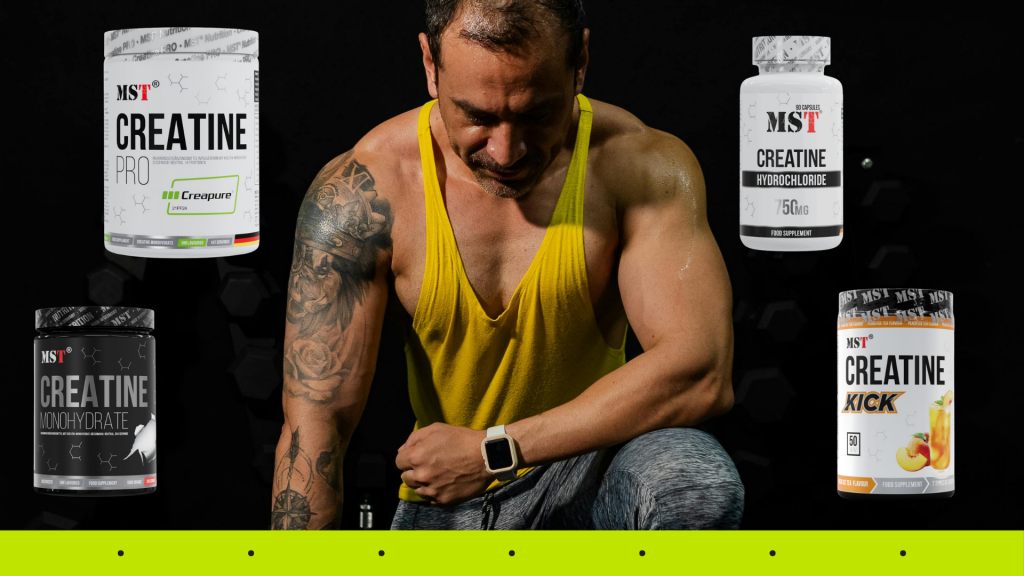
Focus on raw material purity, label transparency, and precise active yield per serving. For an athlete meticulous about every aspect of training, these details matter. Premium quality ensures predictable results in every serving. In the MST® Nutrition lineup, select the format that matches your lifestyle: pure unflavored powder is easy to dose, while capsules offer convenient portability when traveling.
Stacking with Protein, Caffeine, and Other Supplements
Creatine stacks seamlessly with protein powders, amino acids, electrolytes, and carbohydrate supplements. If your goal is muscle hypertrophy, total caloric surplus and daily protein targets remain paramount. Creatine enhances training output, but it cannot replace total energy intake.
Regarding caffeine, there is no strict contraindication. Evidence suggesting caffeine might blunt creatine’s benefits is mixed, and for most people, consuming coffee or a pre-workout product alongside creatine causes no issues. If you experience stomach discomfort, simply separate your caffeine and creatine intake by taking them at different times of the day.
Avoid trying to compensate for systemic fatigue by doubling your creatine dose or stacking excessive stimulants. Sustainable athletic progress relies on a structured plan: progressive overload, solid mechanics, nutrition, sleep, and consistency.
Hydration, Weight Changes, and Common Mistakes
When starting creatine, body weight may increase by 1–3 kg. This is typically due to increased intracellular water retention within muscle tissue rather than fat gain. For an athlete in an off-season or hypertrophy phase, this intracellular hydration is advantageous: muscles appear fuller and mechanical leverage improves. However, weight-class athletes should factor this temporary fluctuation into their competition prep timeline.
Maintain adequate hydration relative to your training volume, climate, and body weight. You do not need to consume extreme volumes of water purely because of creatine, but chronic dehydration will impair performance. Use regular thirst cues, daily well-being, and urine color as practical indicators.
Common mistakes include taking creatine inconsistently, expecting immediate effects after a single dose, megadosing, or stopping after a few days due to minor scale weight changes. Evaluate progress over a 6–8 week window of disciplined daily intake while keeping a detailed training log. Real adaptations are best reflected in working weights, total reps, sprint performance, and recovery speed rather than subjective daily feelings.
When to Consult a Physician
Healthy adults generally tolerate creatine exceptionally well at recommended dosages. However, individuals with pre-existing renal conditions, underlying medical concerns, or women who are pregnant or nursing should consult a healthcare professional before starting supplementation. The same applies if you take prescription medications or experience persistent digestive issues.
Stick to a simple, effective routine: 3–5 g daily, high-quality training, and objective tracking. When daily discipline becomes a habit, creatine transitions from a bottle on the shelf into a reliable asset driving your next heavy set.