 +38 050 933 51 60
 +38 093 369 29 10
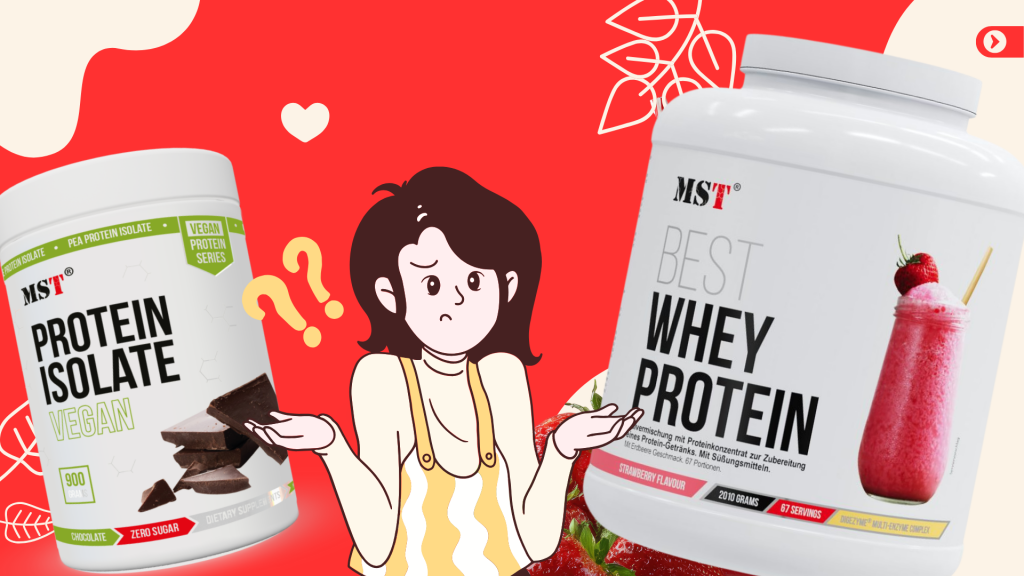
After a strength workout, what truly matters isn’t a flashy label on a tub, but whether your body receives enough high-quality protein for recovery. Whey or plant-based protein isn’t a question of finding a “one-size-fits-all” option. It’s a choice based on your goals, product tolerance, diet, and lifestyle. A properly selected formula helps cover your daily protein intake, support lean muscle growth, control appetite, and help you return to your gym routine faster.
What Truly Determines Protein Efficiency
To build and preserve muscle, your body needs essential amino acids. Leucine is particularly crucial—it’s the amino acid that triggers muscle protein synthesis after training. At the same time, results don’t depend solely on a single shake. Total daily protein intake, sufficient calorie surplus for mass gain or calorie control for cutting, quality sleep, and consistent workouts all play a vital role.
A general guideline for someone who trains regularly is often 1.6–2.2 g of protein per kilogram of body weight per day. Part of this can easily come from meat, fish, eggs, dairy, legumes, and grains. Protein powder doesn’t replace a balanced diet, but it bridges the gap where whole food is inconvenient: after a morning session, between work and training, or when you need to quickly add 20–30 g of protein without cooking.
Whey vs. Plant Protein for Muscle Building
Whey protein is made from milk whey. It boasts a complete amino acid profile, naturally high leucine content, and rapid absorption. That makes it a classic choice for bodybuilding, CrossFit, combat sports, and anyone looking to conveniently meet their protein needs right after a workout.
Its primary advantage is a high concentration of essential amino acids per standard serving. For an athlete, it offers a straightforward routine: mix a shake, get quality protein, and continue recovery. Whey concentrate typically features a richer milky taste and may contain a bit more lactose and carbohydrates. Isolate undergoes deeper filtration, delivering more protein per serving with fewer fats, sugars, and lactose. Hydrolysate is a option with pre-digested protein fractions, often chosen by those who need maximum digestibility.
Plant-based protein is produced from pea, rice, soy, pumpkin, hemp, or a blend of these sources. It’s chosen by vegans, people with lactose intolerance, or those who simply avoid dairy. Modern multi-ingredient formulas are no longer a compromise for the sake of dietary ethics: combining pea and rice proteins creates a more balanced and complete amino acid profile.
However, when choosing plant blends, pay closer attention to the ingredient list and serving size. Certain standalone plant proteins contain less leucine or an inferior balance of specific amino acids. The practical solution is simple: opt for a blend of multiple plant sources or slightly increase your serving size to match your calorie targets and protein needs.
When Whey Protein Is the Stronger Choice
If you tolerate dairy well and train for strength, muscle building, or intense body recomposition, whey protein is usually the most convenient route to your goals. It dissolves easily, offers a smooth texture, and integrates seamlessly into your daily diet: mixed with water post-workout, with milk for a higher-calorie shake, or stirred into oatmeal and pancakes.
For muscle growth, the real magic isn’t a specific supplement, but a consistent calorie surplus and regular protein supply. Whey protein helps you avoid skipping meals when your appetite is low or your schedule is packed. Add a banana, oats, or nut butter to your shake, and a standard serving transforms into a complete meal replacement for mass gain.
During a cut, isolate is often ideal. It lets you deliver significant protein with minimal extra fats and carbs. Still, there’s no need to overpay just for the word “isolate”—a high-quality concentrate can be just as effective if you digest lactose well and it fits your daily calorie budget.
Who Should Opt for a Plant-Based Formula
Plant protein isn’t just for vegans. It’s ideal if milk-based shakes cause bloating, heaviness, or digestive discomfort. In those cases, don’t force yourself to drink whey simply because of its popularity. Digestive comfort directly drives consistency, and consistency always beats a single “ideal” choice.
Soy features a complete amino acid profile and stands as one of the most thoroughly researched plant sources. Pea protein works great for athletes, especially when paired with rice protein for a better balance. Hemp and pumpkin proteins can supplement your diet, though they often carry a stronger natural earthy taste and lower protein concentration per scoop.
Plant formulas are generally thicker and taste different from traditional dairy shakes. That’s a natural characteristic of the raw ingredients, not a defect. They are often best blended with berries, a banana, or plant milk. Be sure to check the actual protein content per serving rather than judging the product by scoop size alone.
How to Choose Protein Without Falling for Marketing Traps
Start with your specific task, not the flavor. For fast, reliable protein intake after a strength workout, whey concentrate or isolate is ideal. For a lactose-free or vegan diet, go with a multi-source plant blend. If you have a true milk protein allergy, whey is unsuitable even if lactose content is minimal.
Next, read the nutrition label. A quality product clearly states the protein, fat, and carbohydrate amounts per serving, along with the exact source and ingredients. For daily use, taste, solubility, and absence of digestive distress are crucial. Protein that sits on your shelf because it’s overly sweet or causes stomach discomfort brings zero results.
Avoid chasing overly complex formulas if your primary goal is basic protein intake. Added amino acids, enzymes, or extra ingredients can be useful in specific situations, but they won’t compensate for low-quality raw materials or insufficient daily protein intake. Flawless quality begins with transparent ingredients, controlled manufacturing, and alignment with your goals.
Timing: Right After Training or Anytime?
A post-workout shake is convenient, but drinking it within the first 15 minutes isn’t mandatory. If you consumed a protein-rich meal an hour or two before the gym, there’s no rush. It’s far more effective to distribute your protein evenly throughout the day: adding it to breakfast, snacks, post-workout meals, or dinner.
For many athletes, an effective serving ranges from 25–35 g of protein per meal. The exact amount depends on body weight, workout intensity, and overall diet. A 90 kg individual actively building muscle requires significantly more total protein than a 55 kg person training twice a week for general health.
MST® Nutrition focuses on German quality standards and clear solutions tailored to various athletic goals. However, even a premium product only delivers peak performance when integrated seamlessly into your training, nutrition, and recovery routine.
Your best protein is the one you can take daily without discomfort while meeting your quality protein targets. Choose a formula suited to your body, test it in your routine over a few weeks, and let your progress in the mirror, strength gains, and recovery confirm your choice.