 +38 050 933 51 60
 +38 093 369 29 10
After a hard workout, it isn’t just the number of sets that determines your progress, but also what your body uses to rebuild muscle fibers. An amino acid is a fundamental component of protein, without which muscle growth, recovery, enzyme production, hormone synthesis, and immune system support are impossible. For an athlete, this isn’t abstract biochemistry, but a practical question: will the body receive enough building blocks to progress?
Protein shakes, meat, fish, eggs, legumes, or specialized amino acid complexes can all serve the same objective. However, the format, formulation, and timing of intake matter. Well-chosen amino acids cannot replace gym discipline or a well-rounded diet, but they can bridge weak points in recovery, nutrition, and training loads.
What is an Amino Acid and Why Do Athletes Need Them?
Proteins are composed of amino acids. During digestion, dietary protein is broken down, and the body utilizes the resulting amino acids to synthesize its own tissues and vital compounds. When you lift weights, run intervals, train in the ring, or hit the CrossFit box, your demand for high-quality recovery increases.
The body can synthesize certain amino acids on its own; these are known as non-essential amino acids. Others must be consumed regularly through food—these are essential amino acids, or EAAs. EAAs are particularly critical for triggering muscle protein synthesis. If your diet lacks even a single essential amino acid, the protein-building process can stall, even if your total caloric intake appears adequate.
For individuals training 3–6 times a week, the key objective isn’t searching for a “magic” ingredient, but consistently providing the body with complete protein and all essential amino acids. This applies equally to muscle-building phases and cutting phases, where calorie restriction often complicates recovery.
EAAs vs. BCAAs: What’s the Difference?
BCAAs consist of three branched-chain essential amino acids: leucine, isoleucine, and valine. Leucine plays a prominent role in stimulating muscle protein synthesis, while isoleucine and valine are involved in energy metabolism and recovery processes. BCAAs are convenient to use as an intra-workout drink during long training sessions, especially when your next full meal is hours away.
However, BCAAs contain only three amino acids. Building new muscle protein requires the full spectrum of essential amino acids. Therefore, an EAA complex is often a more functional choice if you train fasted, manage a strict calorie budget, endure long training sessions, or cannot eat a solid meal immediately post-workout.
This doesn’t mean BCAAs don’t work; their utility depends on your overall diet. If you already consume sufficient complete protein regularly, BCAAs serve as a convenient additional tool for hydration and flavor during workouts. However, if your protein intake is low or a meal was missed, opting for EAAs or a complete protein shake is more logical.
When to Prioritize EAAs
EAAs are ideal when you need to support protein synthesis without digestive heaviness: before morning workouts, between meals, during calorie deficits, or after intense sessions when a proper meal isn’t immediately available. Powdered complexes allow for precise dose control, quick mixing, and light digestion.
Athletes following plant-based diets should pay special attention to EAAs. Plant protein sources often have less favorable amino acid profiles or lower concentrations of specific essential amino acids. While a carefully planned vegan diet can meet your needs, an EAA formula provides convenient nutritional insurance during demanding schedules.
When Protein Powder or Whole Food is Sufficient
If you can consume a portion of meat, fish, eggs, cottage cheese, legumes, or a quality protein shake after training, a standalone amino acid complex isn’t mandatory. Complete protein contains all essential amino acids while offering satiety and additional micronutrients from food.
Finding the right balance is key. Whole food is the foundation, but it isn’t always convenient on the road, between work and gym, or during competitions. Amino acids win on speed and portability. Protein powders generally offer a better cost-per-gram ratio for complete protein. The choice should depend on your routine, goals, and actual daily protein intake rather than trending supplement names.
How Amino Acids Impact Performance
The most obvious benefit for strength athletes is supporting recovery and creating optimal conditions for muscle growth. Muscle protein undergoes constant turnover following exercise. Consuming adequate amino acids alongside progressive resistance training and sufficient calories shifts the metabolic balance toward muscular adaptation rather than breakdown.
For runners, fighters, cyclists, and functional fitness athletes, amino acid complexes serve primarily as convenient intra-workout nutritional support during high-volume training. Sipping a drink with electrolytes and EAAs or BCAAs is far easier on the stomach during extended sessions than solid food. However, it does not replace water, carbohydrates, or electrolytes when training in hot conditions or during long endurance events.
During a caloric deficit, the value of quality protein and EAAs increases. The objective during a cut is reducing body fat while preserving strength, muscle volume, and working capacity. Amino acids do not “burn” fat directly, but they help you hit your daily protein targets without adding unwanted calories.
Choosing the Right Formula for Your Objective
Start by auditing your baseline: how much complete protein you consume daily, how frequently you train, whether you experience long gaps between meals, and if you are managing calorie intake. For muscle growth, prioritize total protein intake, a caloric surplus, and progressive overload. During a cutting phase, EAA complexes are practical tools to maintain an optimal amino acid profile with minimal calories.
When selecting a product, look beyond eye-catching packaging. Ensure the label clearly specifies exact amino acid doses, leucine content per serving, absence of unnecessary sugars, and a flavor profile you enjoy for consistent use. Look for transparent formulas featuring quality raw materials aligned with your routine.
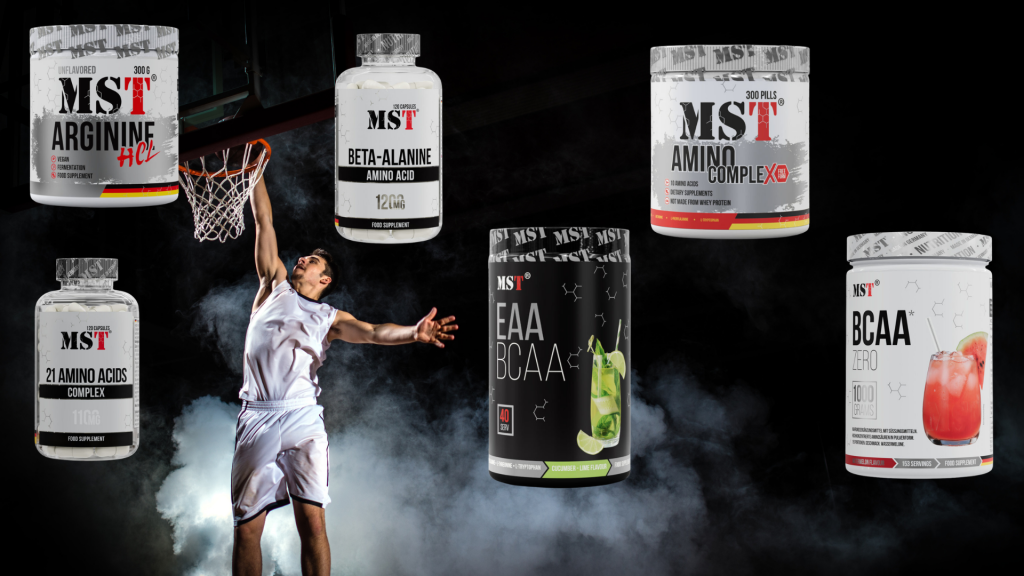
MST® Nutrition Ukraine emphasizes German production standards and formulas engineered for specific athletic goals. This is essential when selecting supplements as integral components of a structured training, recovery, and performance strategy.
How to Take Amino Acid Supplements
Follow the serving sizes recommended by the manufacturer and factor in your total dietary protein intake. EAAs or BCAAs are typically consumed before, during, or between meals. If your workout is short and you consumed a complete protein meal 1–2 hours prior, an intra-workout amino acid drink may not be strictly necessary. However, if you train early in the morning, fasted, or after a long workday, intra-workout supplementation becomes far more practical.
Avoid trying to compensate for a poor diet with excessive supplement doses. Real progress is forged by sleep, sufficient caloric energy, target protein and carbohydrate intake, hydration, and intelligent training. Individuals with pre-existing kidney or liver conditions, pregnant women, or those taking prescription medications should consult a healthcare professional before adding sports supplements to their routine.
Your goal isn’t simply adding amino acids to a shaker bottle, but giving your body precise nutritional support when it needs it most. Select a formula suited to your lifestyle, train consistently, and turn every recovery window into the foundation for your next personal best.